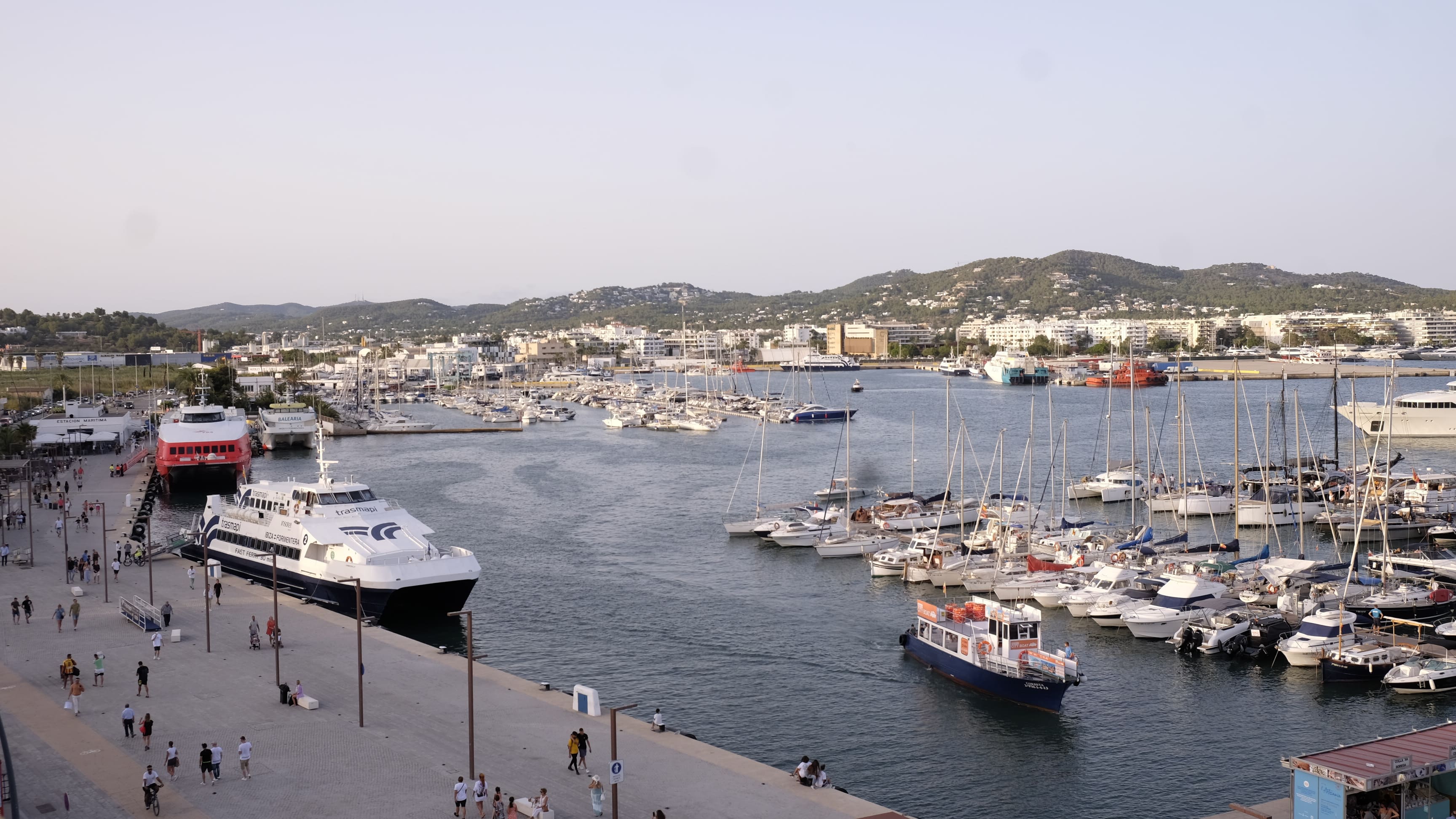


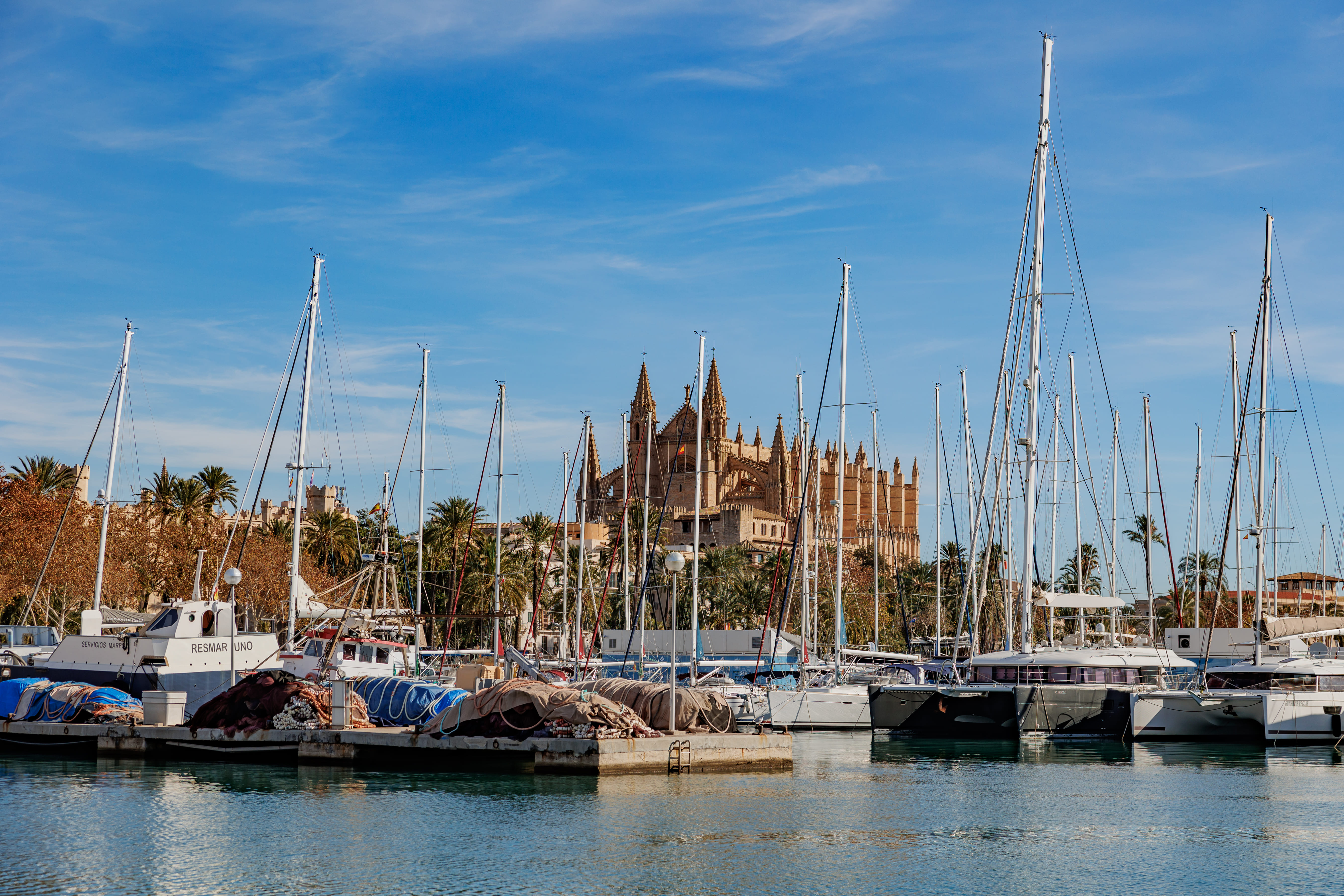
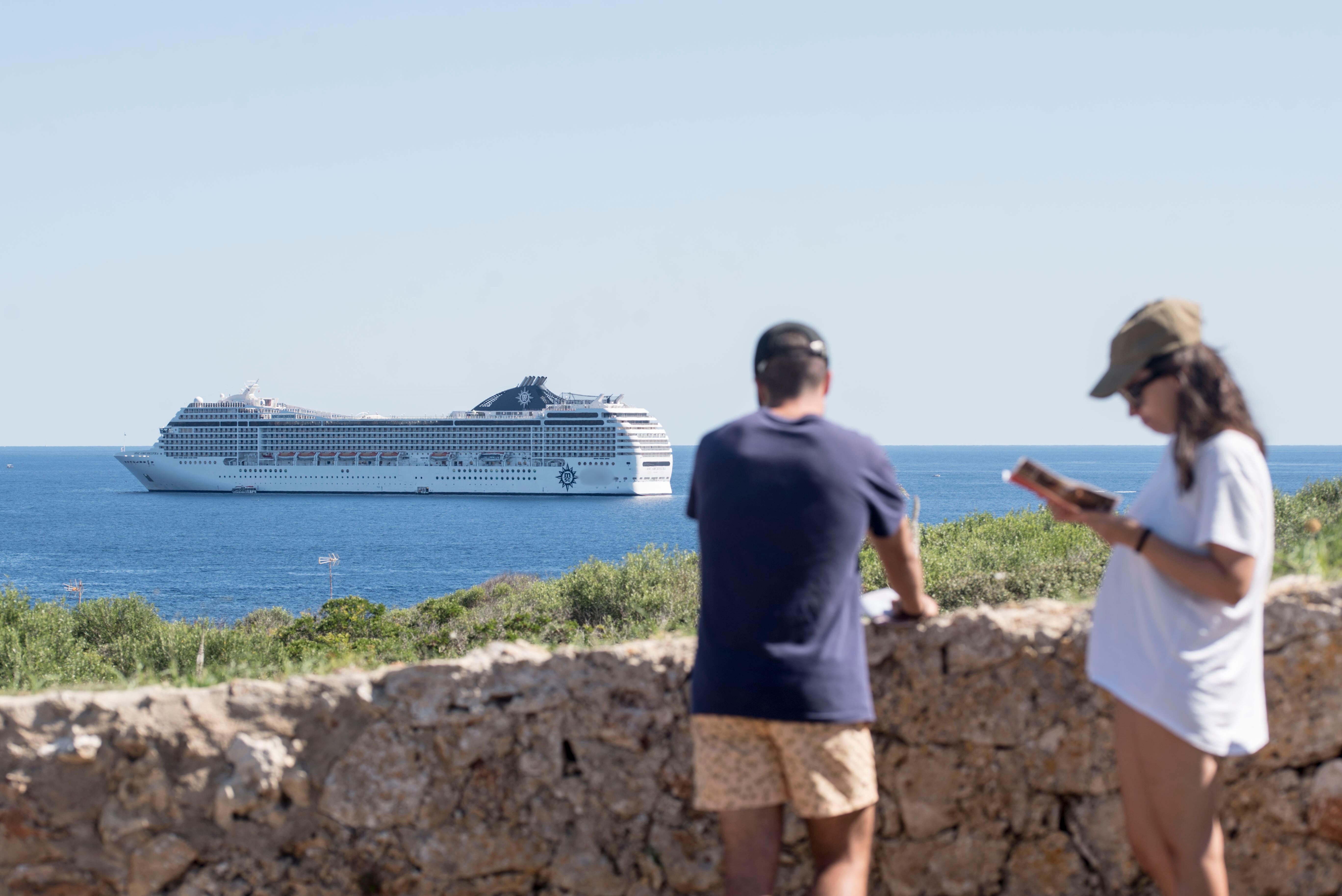
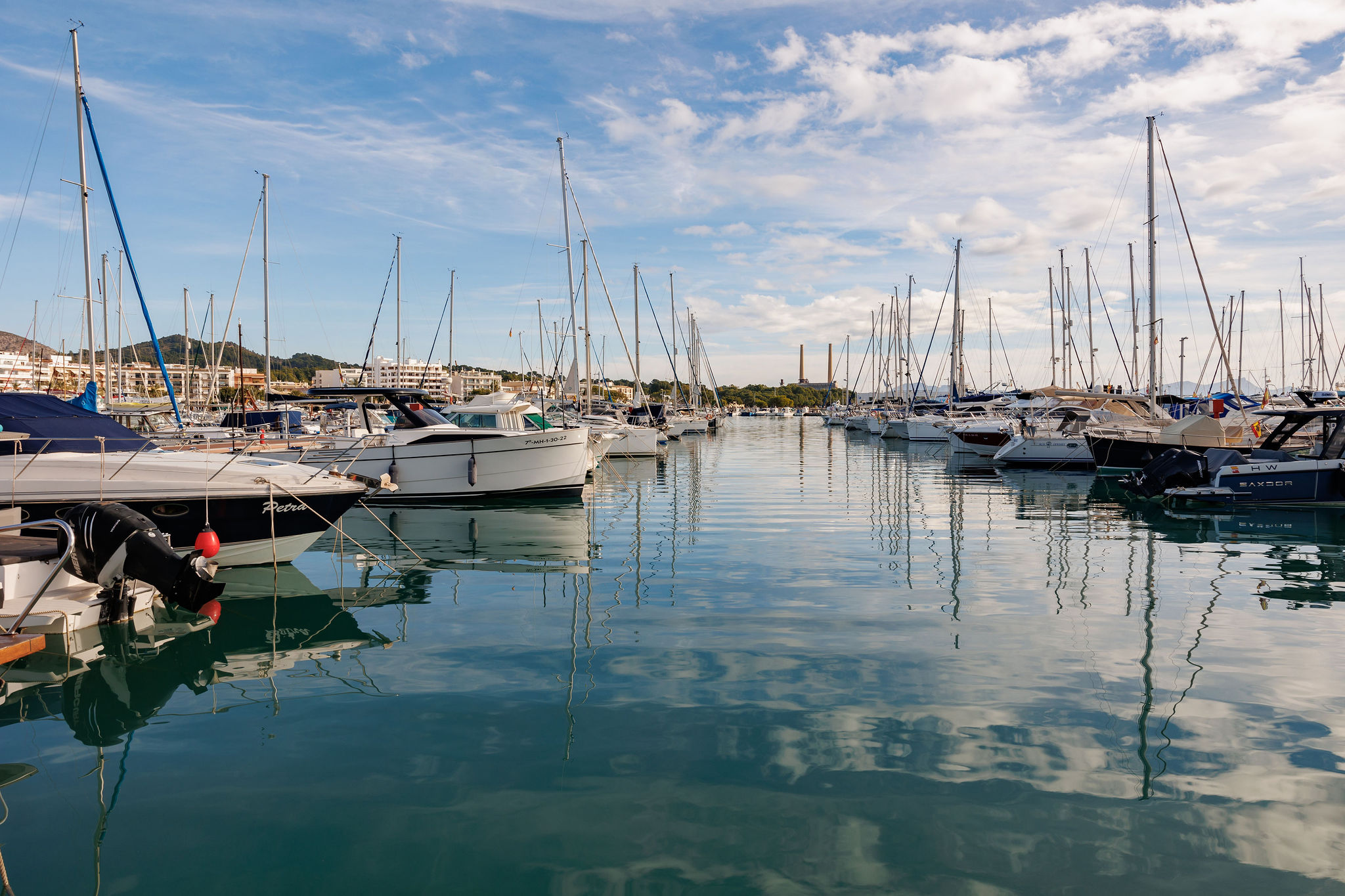










At the meeting of the Navigation and Port Council of the Port of Ibiza, the Balearic Islands Port Authority (APB) unveiled its assessment of actions taken and its investment plan for the Ibiza harbour, which will bring about a profound transformation of its infrastructure, services and relationship with the city. The total investment amounts to more than €140 million between 2025 and 2030, consolidating the port as a key hub for mobility, the economy and sustainability on the island.
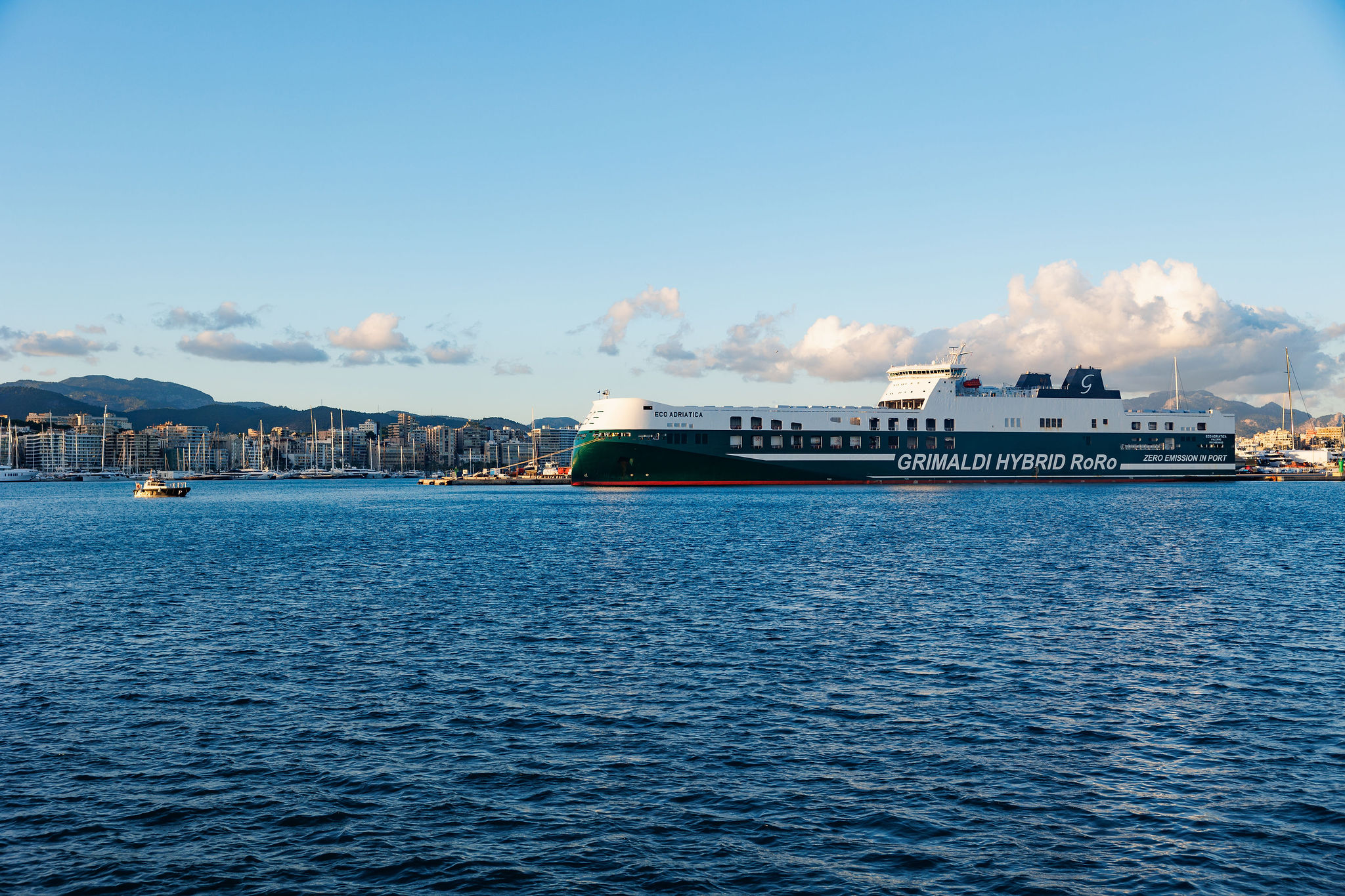
The APB is continuing to implement a wide-ranging programme of projects that will be completed over the coming months and years. Key actions include the installation of two OPS points at the Botafoc docks, which will enable ferries to connect to the land-based electricity grid and significantly reduce emissions and noise during their stay in port. Photovoltaic pergolas are also being installed and lighting efficiency is being improved at a steady pace, with completion scheduled for the first quarter of 2026, reinforcing the commitment to clean energy and energy savings.
Regarding infrastructure, work is underway to improve the Botafoc breakwater, renovate defences and modernise the drinking water network, all of which are key interventions to strengthen operational safety and ensure the provision of services under optimal conditions. In addition to these actions, improvements will be made to the access roads to the Botafoc area, with the tender scheduled for the first quarter of 2026.
The port is also making progress in the execution of projects linked to the port public domain. Highlights include the first phase of the new nautical facilities for small and medium-sized vessels, the construction of the new dry dock next to the fishing quay and the launch of the "Bus Nàutic Eivissa" tender for a period of 15 years, which will promote sustainable maritime mobility within the port.
Within the framework of strategic planning, the APB continues to promote the Special Plan for the port of Eivissa, currently being processed with the Town Council, and is developing studies for the future Logistics Activities Zone (ZAL), which will improve the management of goods. In turn, the technical studies carried out with CEDEX and Puertos del Estado will optimise the manoeuvring and agitation conditions in the dock, reinforcing the safety and efficiency of maritime traffic.
The port's environmental commitment is reinforced by the implementation of a new ordinance which improves air quality by limiting visible emissions, the compulsory use of the OPS at night for inactive vessels and new restrictions on engine maintenance. At the same time, the decarbonisation process continues for the Eivissa-La Savina line, which incorporates more demanding environmental criteria in its tender. Progress is also being made on measures to improve the state of port waters.
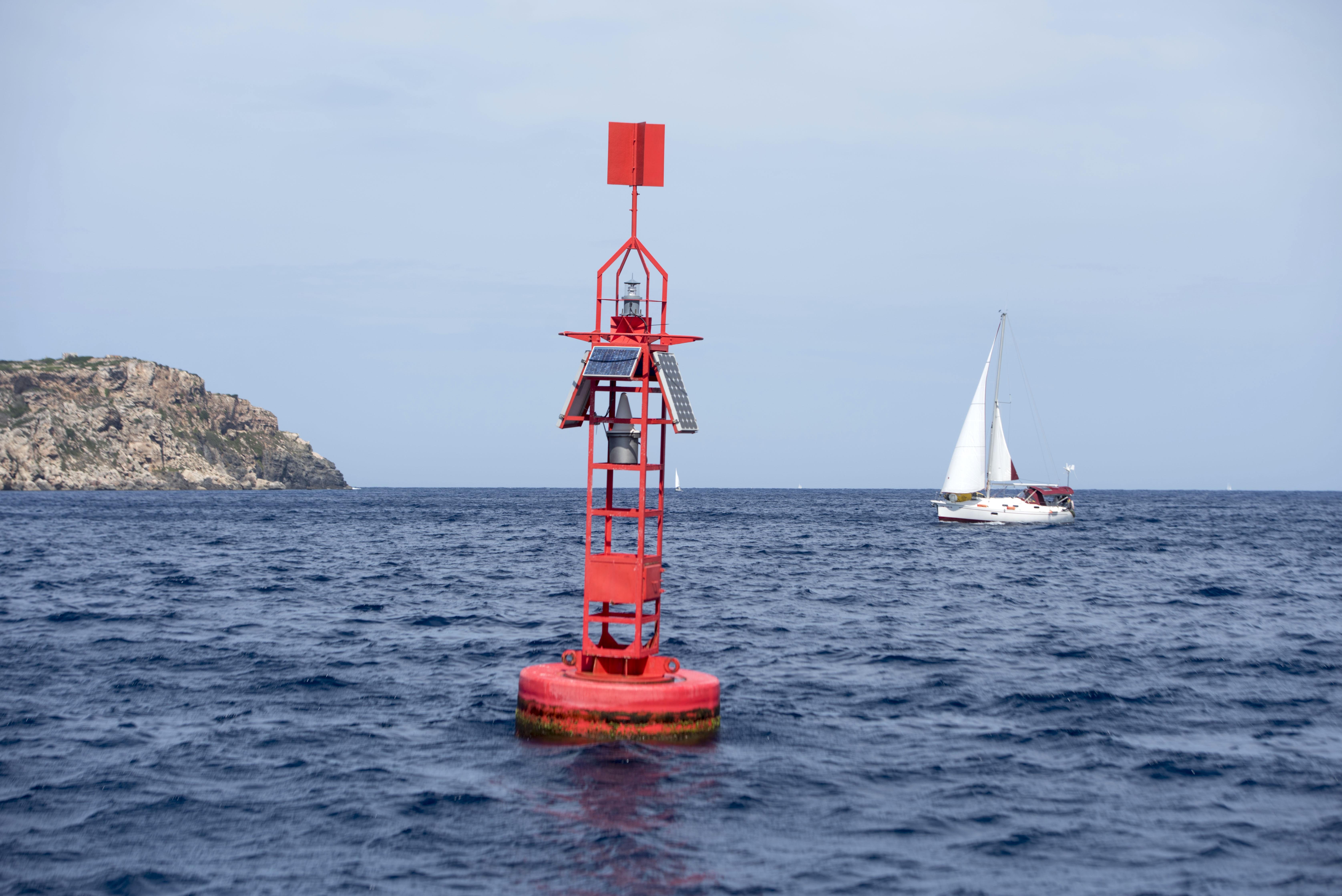
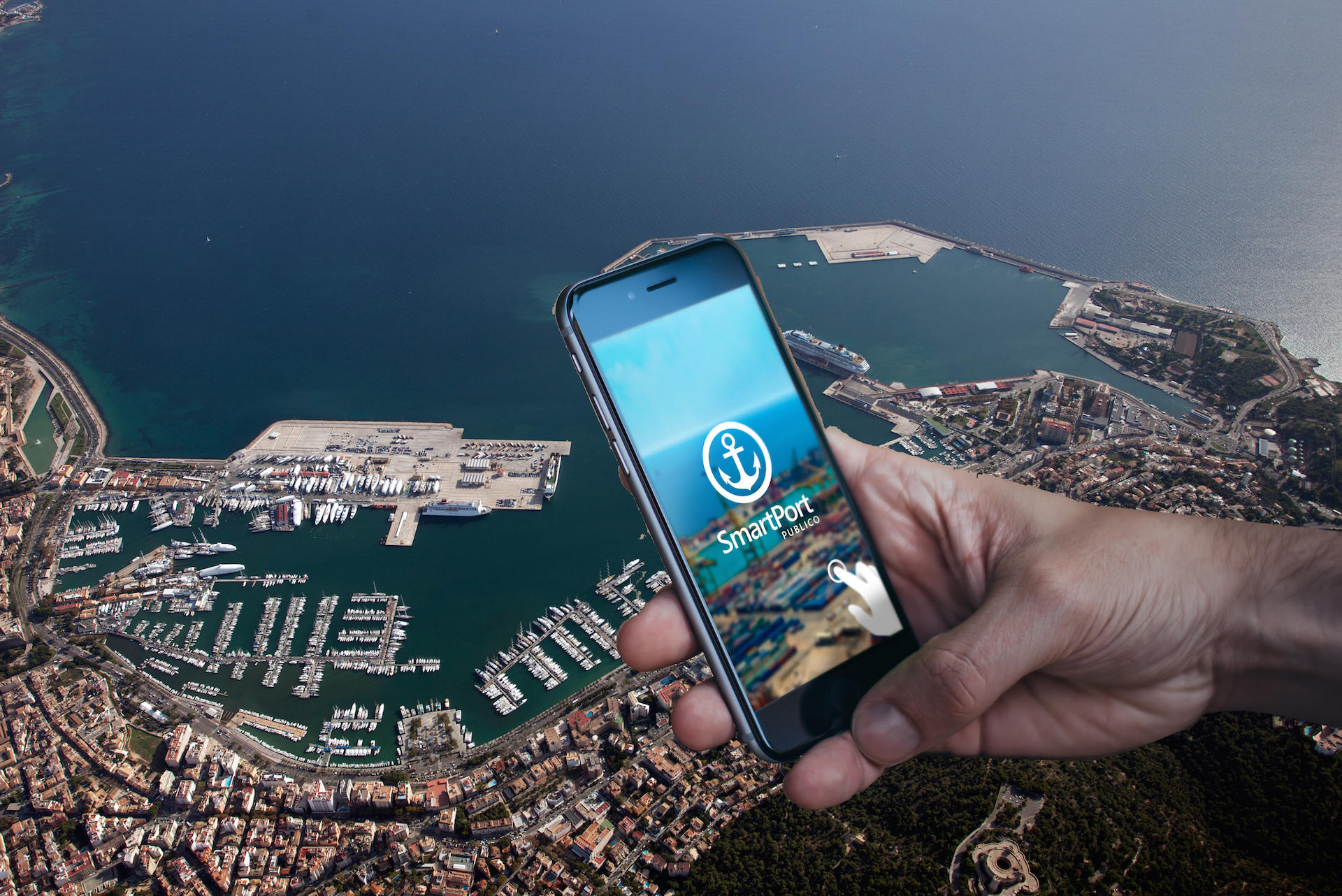
The port of Eivissa also participates in the technological advances of all the ports managed by the APB. The implementation of the new Posidonia Operations V2 improves scale management and real-time movement monitoring. The new platform of technical-nautical services, the digitalisation of maritime signals and the modernisation of the electronic administration systems allow progress to be made towards a smart port model, more agile and better connected with the port community.
Projects completed in 2025
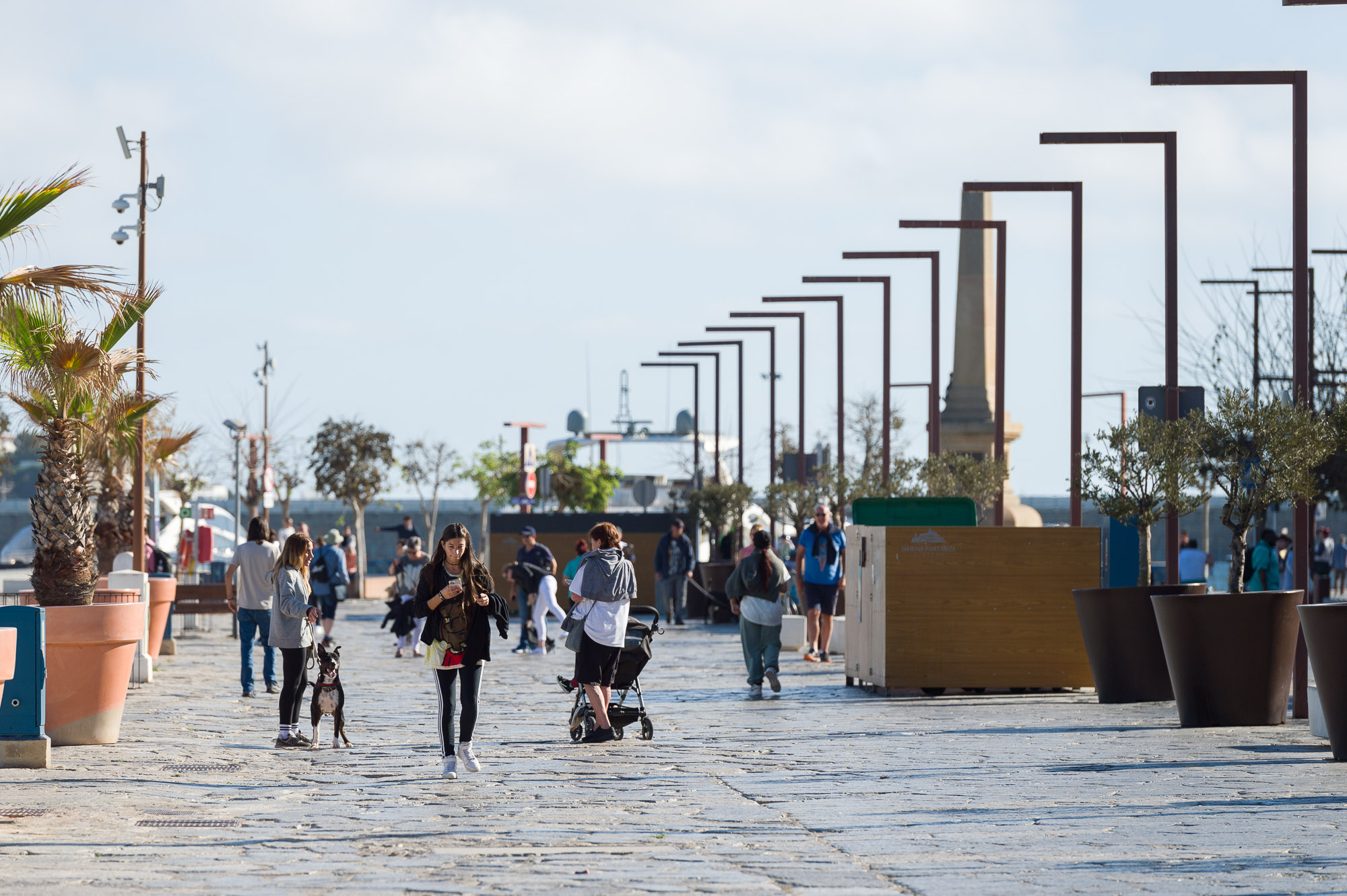
Throughout the year, the APB has completed several key projects to improve the Port of Eivissa's functionality and urban development. These include the refurbishment of Santa Eulària Avenue, a project that has transformed the space into a safer, more accessible and sustainable place, with a separate cycle lane, a new pavement for pedestrians, landscaped areas, renovated street furniture and efficient LED lighting. At the same time it has improved the connection between the maritime station of Formentera and the city and, thus, pacifies the traffic.
The accessibility improvement project has also been completed, which reinforces pedestrian mobility and optimises routes for people with reduced mobility, integrating with nearby urban itineraries. Meanwhile, the new escalator system has been launched in the Botafoc area, an infrastructure that increases user comfort and facilitates transit in a particularly busy environment.
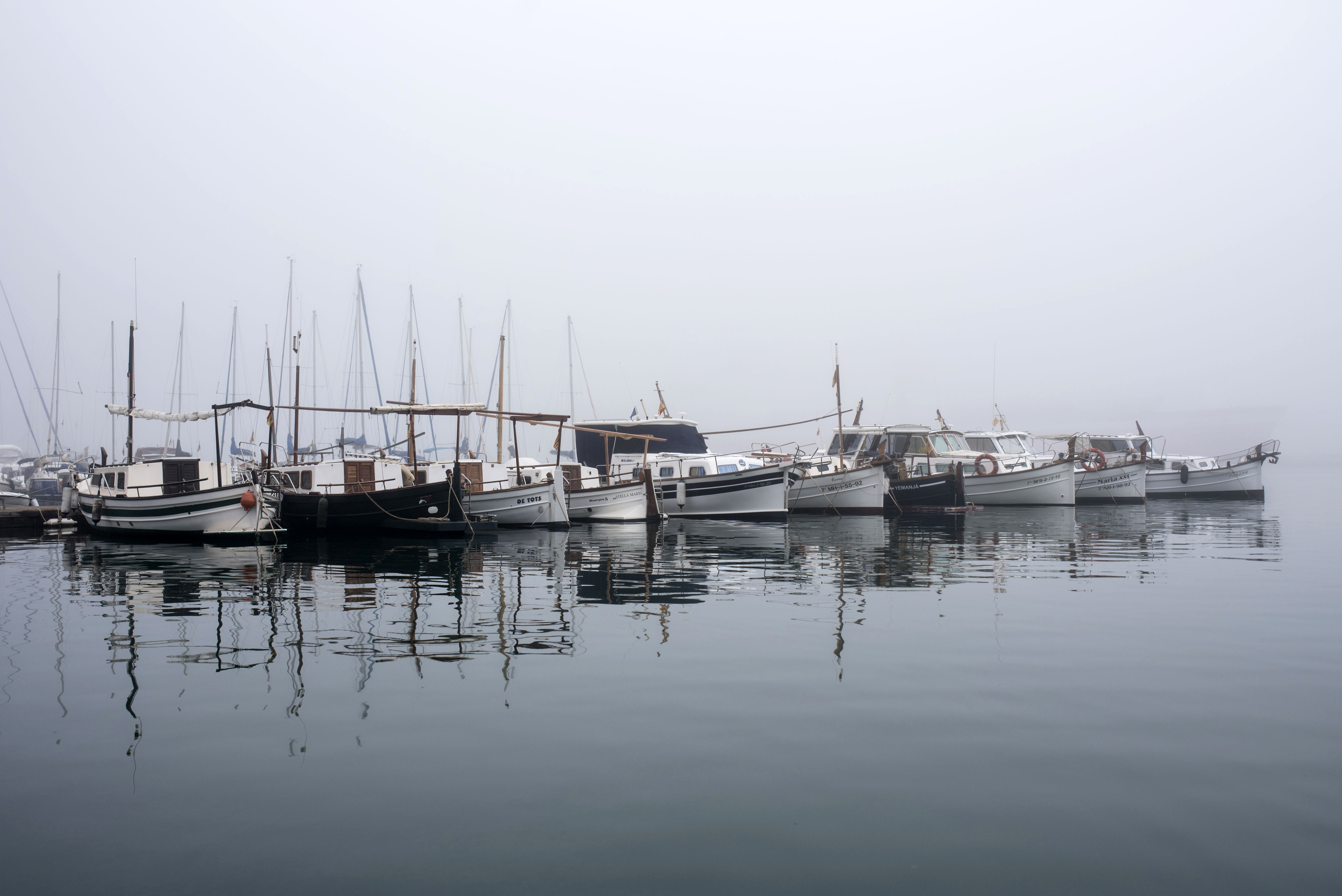
During this period, various tenders related to the management of moorings in the Poniente dock and the Botafoc have also been resolved, as well as others linked to the port public domain, which allow the port's nautical-sports area to continue to be organised and modernised, an area which already represents 71% of its income.
APB's social cash flow
The APB has also published data on social cash flow, an indicator that shows how the economic value generated by port activity is redistributed throughout society. This tool makes it possible to quantify the real impact of the port on the economy and the well-being of citizens, beyond its logistical function.
The ports of general interest managed by the APB generate a total of €150 million, which is distributed directly throughout the economic and social fabric of the Balearic Islands. Of the total generated, €101 million (68%) is used to pay suppliers, of which €48 million goes to companies in our islands, contributing decisively to the activity and sustainability of the local productive fabric.
Added to this impact are €32 million in taxes and duties that directly revert to the public administrations, and €10 million allocated to salaries, which reinforce employment and work activity linked to the port. In addition, €6 million is retained to finance operating expenses, agreements and social projects, a particularly important component that drives community improvement, environmental and urban integration initiatives.
Taken together, these results show that the €150 million generated by the APB is redistributed in its entirety, returning to society in the form of economic activity, jobs, public revenue and value-added programmes. The social cash flow thus confirms the port's role as an essential driver of the economic and social development of the islands.