
The APB presents the transformation project of the port of Palma to the trade union CCOO
During a meeting held today with ARCA, the strategic axes were reviewed and the technical and operational limits that must be ensured were clarified
Palma
31/03/2026- Environment and CSR
- Port-city
- Transport and infrastructure
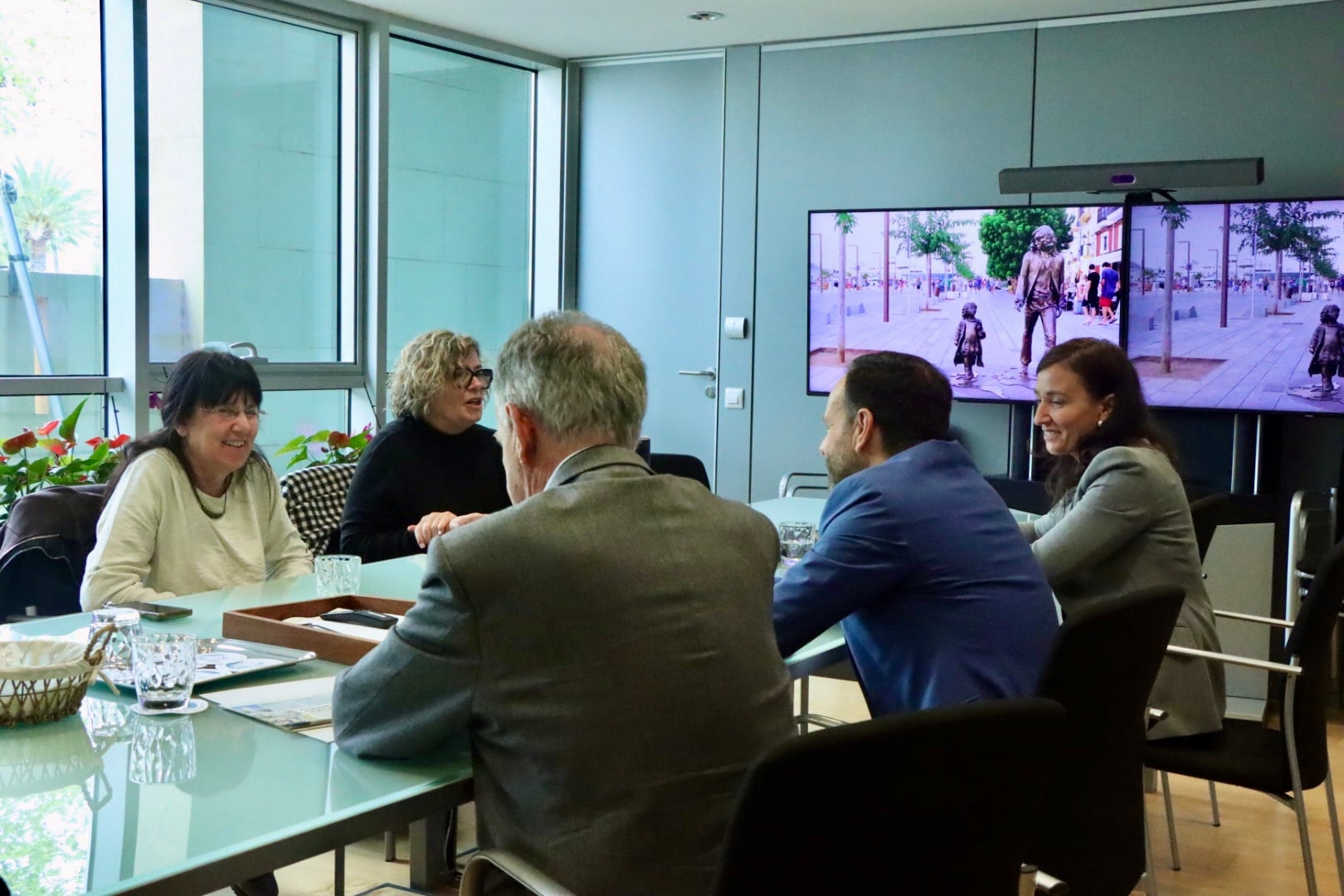
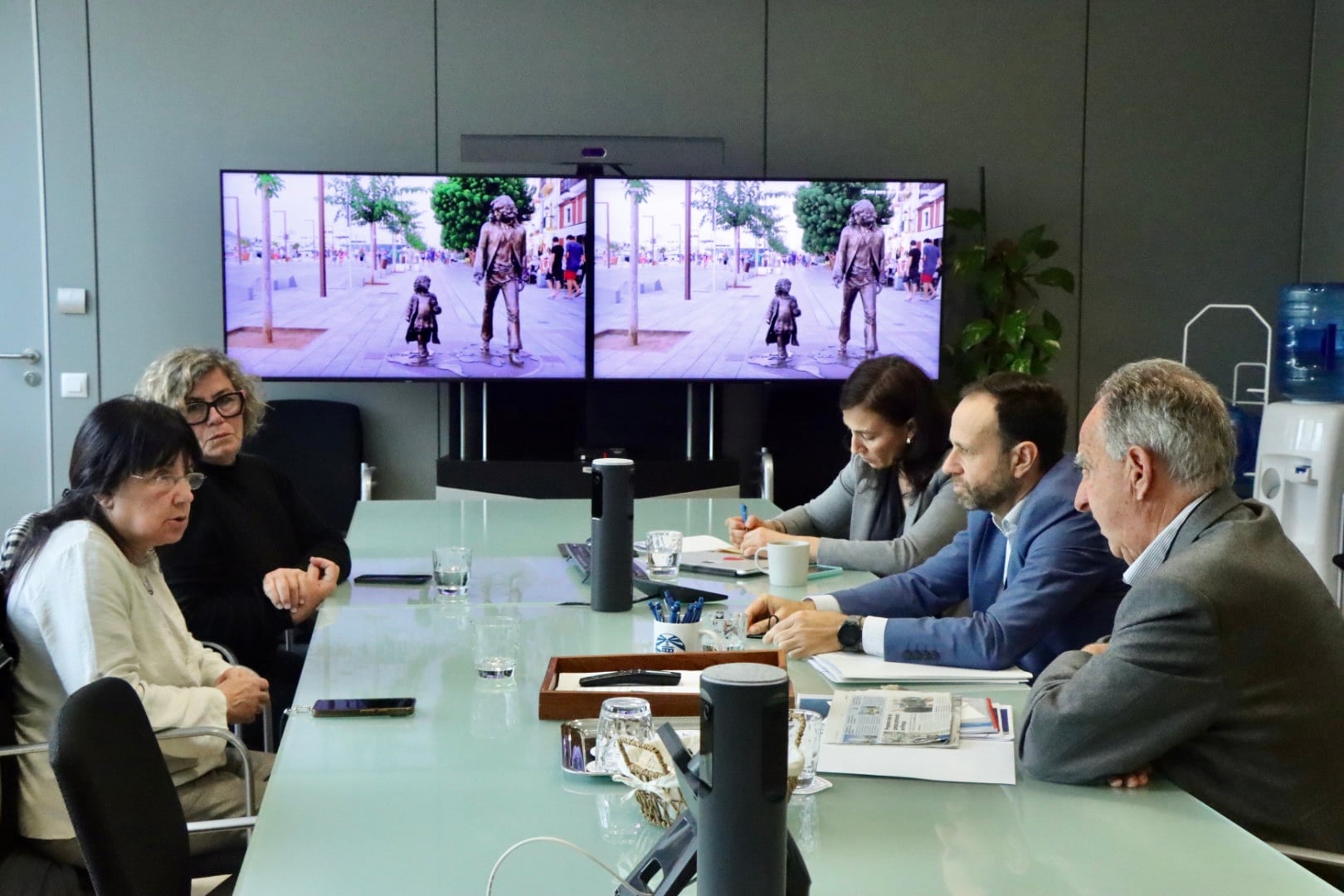
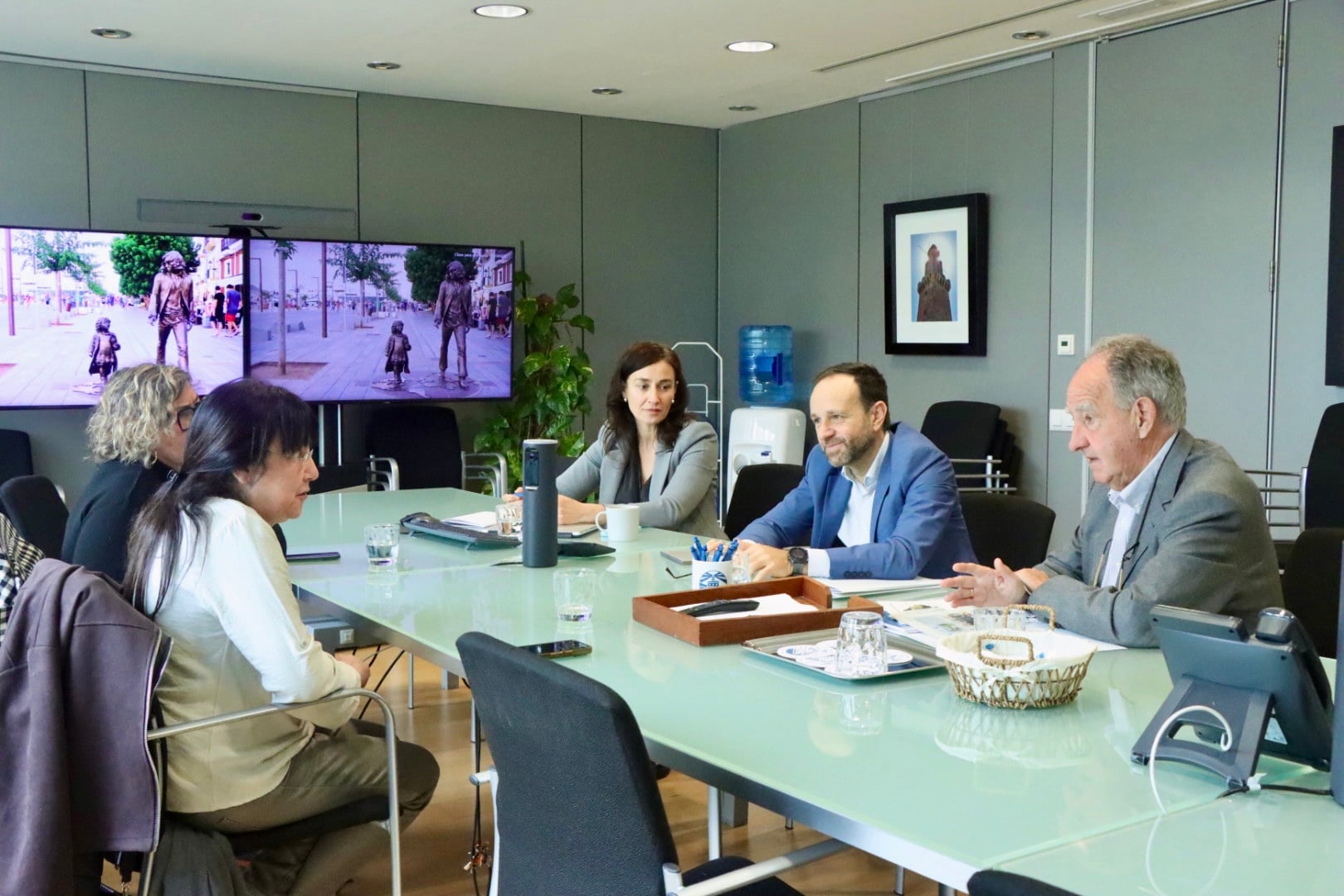
The Balearic Islands Port Authority (APB) held another meeting today with ARCA to clarify the strategic axes of the Palma port transformation project. The meeting, in which several topics were discussed, was attended by the chairman of the APB, Javier Sanz, as well as the director, Toni Ginard, who explained once again to the representatives of ARCA that the proposed approach to the transformation of the port of Palma approved in 2024 by the Board of Directors of the body is based on technical rigour, the general interest and responsibility in the management of a strategic infrastructure for the autonomous community.
In this way, the APB explained that the project currently under development is the result of a broad and structured participatory process carried out two years ago, in which the contributions of civil society were collected and analysed, including those of entities such as ARCA and the Civil Society Forum. As a result of this process, various actions aimed at improving port-city integration and recovering spaces for use by the general public have been incorporated into the project design, such as the Maritime Museum project, the municipal sailing school, the relocation of the Sailing-Fishing Vocational Training Centre, and the heritage recovery of the Riba promenade and lighthouse.
However, the APB has pointed out that it must reconcile these demands with proper port operations. In this regard, and as a complement to the participatory process, multiple meetings have been held with all the actors involved in port activity —especially shipping companies and ancillary vessel repair & refit firms — with the aim of evaluating in detail the technical and operational requirements that guarantee the functioning of the port.
As a result of this process of comparison and analysis, the project maintains the three docking points currently needed to safeguard the logistics chain of the Balearic Islands, ensuring the supply and maritime connectivity of the islands. It also envisages a moderate increase in the space allocated to the naval repair industry and shipyards, with the aim of strengthening a sector that has been declared strategic, which generates more than 5,000 direct jobs and acts as a driver of activity for a wide network of local small and medium-sized enterprises.
Regarding the proposals put forward by ARCA concerning technical and operational planning, the APB emphasises that they have been thoroughly analysed within the set of alternatives studied during the planning phase. However, these proposals have been ruled out as they are not technically viable and do not allow us to meet the current operational needs of the port and all its operators.
The Port Authority reiterates that the project's goal is not to prioritise a single approach, but to articulate a balanced solution that integrates legitimate, but sometimes divergent, demands: the public's desire to reclaim spaces and improve the relationship with the waterfront; the shipping sector's need to maintain three fully functional operational areas; and the industrial sector's requirement to have adequate conditions to maintain its competitiveness in an increasingly demanding environment.
Regarding the MARPOL waste treatment facility
With regard to the sub-project concerning the installation of vessel waste pretreatment facilities (MARPOL Annex I), also discussed during the meeting, the APB wishes to make an express clarification.
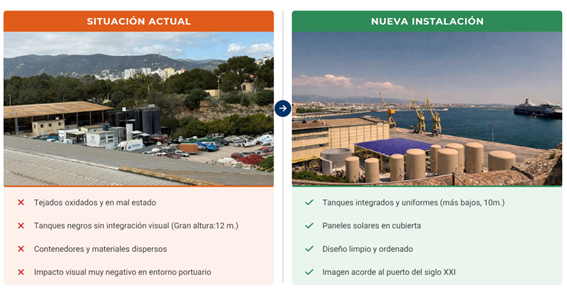
The planned new facility will be located a few metres from the area where the two treatment plants currently used in the port of Palma are located. In this regard, the new plant represents a substantial improvement over the current situation, characterised by obsolete, derelict facilities with both technical and environmental limitations. The new facilities will mean that:
-strict compliance can be ensured with international, EU and Spanish regulations regarding the reception and treatment of marine waste.
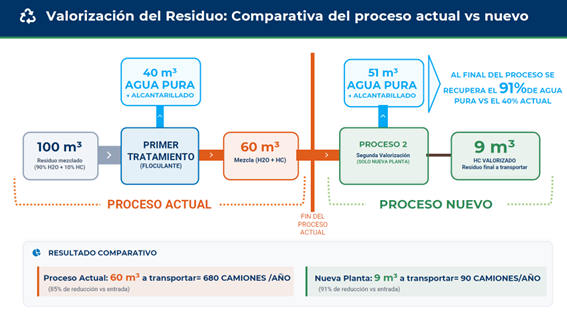
-the complete treatment of waste can be carried out at the port itself, avoiding its transport to the mainland, with the consequent reduction of emissions, risks and logistical costs.
-the efficiency of the process will be significantly increased, achieving water recovery levels far higher than the current ones (going from 40% of pure water currently recovered to 91% that can be recovered with the new installation).
-the environmental impact will be minimised through advanced technologies, control systems, and soil and aquifer protection measures.
-the visual and functional integration of the facility into the port environment will be improved, aligning it with the standards of a 21st century port (from the current silos' 12 metres in height to the future ones designed and painted to blend into the environment).
Furthermore, this is a mandatory service for the APB under international and national regulations, and an essential action to guarantee responsible environmental management in a such a particularly sensitive environment as the Mediterranean.
Therefore, the APB considers that this project, unanimously approved by the Board of Directors in March 2026, not only meets a legal and operational need, but also constitutes a key action to move towards a more sustainable, safe and efficient port model.
In this regard, the Balearic Islands Port Authority reiterates its commitment to dialogue, transparency and the general interest, and will continue working to develop a project that, with balance and technical rigour, responds to the vast majority of the needs of Balearic society.